Ease Into Sleep with Two-Minute Wind-Downs
Tonight we focus on bedtime wind-down practices you can complete in under two minutes, designed to quiet busy thoughts and settle your body without complicated routines. Discover fast, science-informed micro-rituals that soothe the nervous system, nudge melatonin-friendly conditions, and help your pillow feel welcoming. Try one, mix a few, and share what worked. Your calm, consistent minute or two can become a trusted bridge between a long day and truly restorative rest.
Sixty-Second Box Calm
Inhale through the nose for four, hold for four, exhale for four, hold for four, tracing an imaginary square with your breath. Keep jaw relaxed and tongue resting lightly. After four or five cycles, notice a softening behind your eyes. Many readers report a quieter chest and fewer racing thoughts after this compact minute, especially when paired with a gentle hand resting over the heart or belly to anchor awareness kindly and consistently.
Longer Exhale, Softer Mind
Extend your exhale to twice the length of your inhale, such as in for three, out for six, staying comfortable. Longer exhalations nudge the vagus nerve, often reducing arousal and easing pre-sleep restlessness. Keep the breath smooth, not forceful, and imagine stress leaving with each out-breath. If counting distracts you, silently say calm on the inhale and release on the exhale. Two minutes can transform a restless edge into steady, drowsy ease.
Micro-Relaxations for a Heavy-Lidded Body
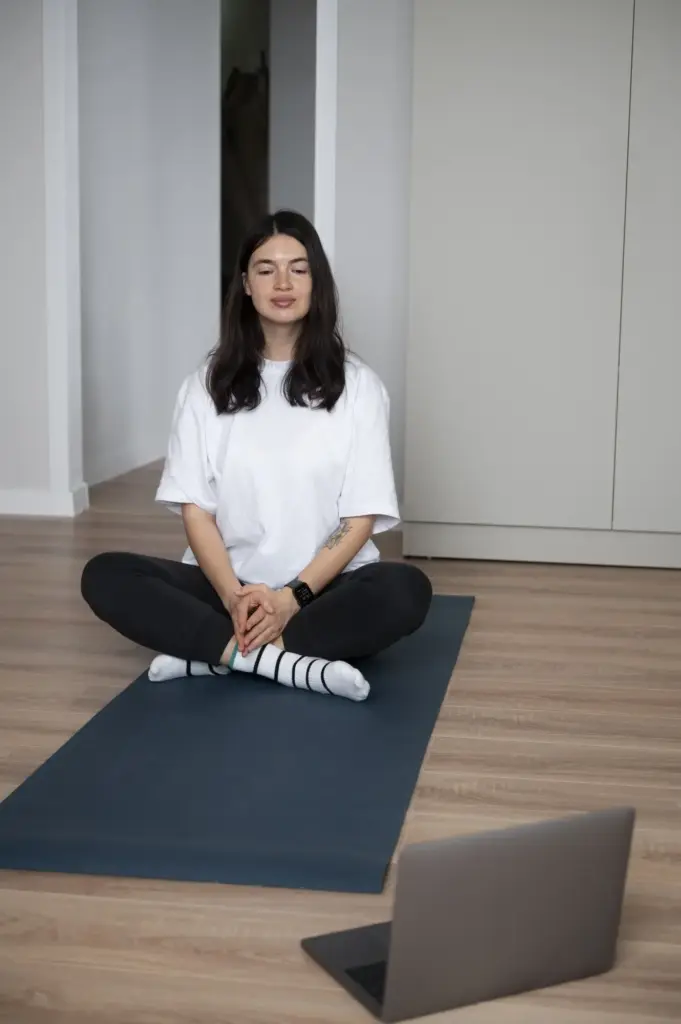
Tiny bursts of muscle release can ripple calm across your whole system. Rather than a full routine, use targeted waves that dissolve lingering tightness in under two minutes. Scan from crown to toes and pick one area calling for kindness. These brief resets pair well with a warm blanket and slow breathing, reminding the body it is safe to let go. Consistency counts more than intensity; gentle attention repeated nightly builds wonderfully sleepy momentum.

One-Minute Environmental Tweaks
Small changes to light, temperature, and sound before your head meets the pillow can have outsized effects on drowsiness. Shift the space first, then settle into your body. These adjustments take less than two minutes and often pay dividends all night. Think of them as flipping friendly switches for biology: softer light supports melatonin, cooler air reduces restlessness, and consistent sound protects against disruptive peaks. Make them automatic, then enjoy the calm that quietly follows.

Quick Mind-Clearing Rituals
Unfinished thoughts often shout when the house finally quiets. Give them a tiny container, then kindly show them the door until morning. These under-two-minute prompts offload loops and create closure. They turn vague anxiety into something scheduled or appreciated, reducing rumination. Keep a pen nearby or use a notes card tucked in a book. Repeat nightly and watch your brain trust the process, like clicking save before shut down, welcoming sleep as the next right step.
Senses That Whisper Sleep
Gentle sensory cues can tip the balance toward drowsy calm surprisingly fast. Think scents that suggest safety, textures that reassure, and sounds that smooth uneven edges. Curate one small cue from smell, touch, or hearing, rotate as needed, and keep it ready nightly. The body remembers these signals and responds more quickly over time. Less is more here—aim for comforting familiarity over novelty. Your ritual becomes a quiet lullaby you can hum without words.
Gentle Movements That Invite Drowsiness
A few slow shapes can release kinks and cue relaxation without raising heart rate. Prioritize comfort, breathe softly, and keep transitions unhurried. These micro-stretches aim for soothed tissues, not deeper ranges. Two minutes is enough to reset posture from screens and soften hips, neck, and back. Pair motion with a compassionate inner voice and a clear intention: getting ready to rest. When done nightly, your body learns that these shapes are the doorway to sleep.

All Rights Reserved.