Find Stillness in Just Two Minutes
Explore two-minute calm rituals for everyday life—simple, science-backed moments that restore clarity between tasks, soften stress during commutes, and help you reconnect before bed. You will learn tiny practices you can start anywhere, without equipment. Try one today, notice your breath tomorrow, and build a kinder rhythm this week. Share your favorite micro-ritual in the comments, invite a friend to experiment with you, and subscribe for fresh, gentle prompts that keep steady ease within reach, even on your busiest days.
Morning Micro-Routines that Anchor Your Day
Mornings often decide the emotional tone of everything that follows. With two deliberate minutes, you can reset grogginess, steady attention, and prime your mood for patient focus. These gentle practices fit beside coffee, a toothbrush, or sunlight at the window, turning ordinary moments into quiet allies. I began with a breath ladder during a chaotic semester; the difference was startling. Try them tomorrow, notice which feels kindest, and return to that simple anchor each sunrise for surprising, cumulative steadiness.

Breath Ladder
Breathe in for four counts, out for six; then in for five, out for seven. Keep shoulders soft, jaw loose. Extending the exhale nudges the parasympathetic system, lowering heart rate and anxiety’s volume. Two minutes are enough to feel warmer hands, steadier gaze, and an unhurried pace before emails and expectations start stacking.

Sunlight Check-in
Stand by a window or step outside, face natural light, and take slow breaths while noticing colors in the sky. Morning light helps set circadian clocks, boosting alertness later and sleepiness at night. Let your eyes see distant shapes, relax your forehead, and thank the day for showing up.
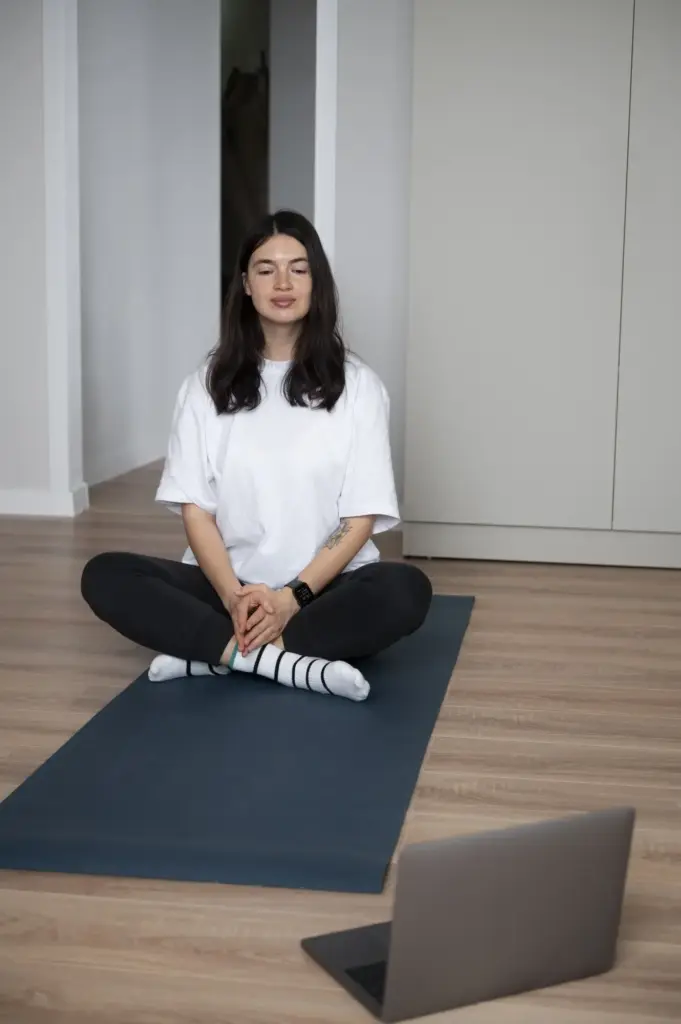

Reset Buttons During Work and Study
Between messages, calls, and deadlines, attention frays. Two-minute resets help your nervous system metabolize micro-stress before it snowballs. Each practice below refuels posture, vision, and working memory without requiring a break request or a meeting invite. I used these while finishing a dense report; they rescued clarity and surprisingly softened my tone with teammates.
Transitions: Commute, Doorways, and Thresholds
Life is stitched from transitions: doors, sidewalks, elevators, ignition keys. Adding tiny signals at these thresholds helps the body remember safety and choice. The following practices transform in-between seconds into restorative cues. The day begins to feel sequenced rather than scattered, and stress loses opportunities to sneak in unnoticed between obligations and rooms.
Doorframe Shoulder Release
Place forearms on the frame at shoulder height, step one foot forward, and lean until you feel openness across the chest. Breathe three slow cycles, keeping ribs heavy. Reversing screen-hunch improves mood and breathing mechanics. As you step through, imagine leaving hurry behind and carrying steadiness into the next space.
Counting Steps with Soft Attention
During a hallway walk or platform wait, count twenty-five steps while noticing heel-to-toe contact and ambient sounds. If you lose count, smile and restart without drama. This playful micro-meditation builds attentional control gently, turns commuting into practice, and reduces rumination spikes that often flare between tasks.
Keys Down, Shoulders Down
When arriving home, set keys down quietly, then let shoulders descend two inches while exhaling through pursed lips. Name aloud one word you want here—rest, laughter, presence. Over time, that ritual becomes a reliable bridge from public urgency to private ease, inviting connection with whoever shares the space.
Evening Wind-Down Without Screens

Candle Focus, Gentle Breath
Dim lights, light a candle, and watch the flame’s base while lengthening exhalations. Let thoughts pass like faint wind. The warm hue signals evening to your brain, while steady breathing lowers arousal. Blow the candle out slowly, honoring closure, and carry that exhale into sheets or a final sip of tea.
Floor Melt Stretch
Lie on the floor with calves resting on a chair, arms wide, palms up. Inhale to the count of four, exhale to six, letting your back broaden. Gravity does the work. Two quiet minutes here untie desk knots, deepen calm, and cue your body that sleep is becoming the next right thing.
Two Lines in a Journal
Write one sentence about what went well and one about what you learned. Keep it honest, small, and specific. This closes cognitive loops, reduces late-night replay, and honors growth. Over months, those two lines accumulate into a map proving momentum, even through ordinary days that otherwise blur together.
On-the-Spot Calm for Crowded Places
Stress often spikes in crowds where you cannot control noise, pace, or proximity. Discreet rituals let you soothe your system without drawing attention. These approaches blend subtle movement, inward cues, and kind imagination, making buses, elevators, and checkout lines feel less hostile. Safety returns from the inside out, even before circumstances change.
Subtle Tapping Sequence
With hands in pockets or resting on thighs, tap each fingertip to thumb slowly, saying to yourself, here, now, okay. Match taps to breaths. This rhythmic sensory input occupies worry loops, supports grounding, and is invisible to others, offering privacy while your body learns calm is available anywhere.
5-4-3-2-1 Grounding, Whisper Edition
Silently notice five colors, four textures, three sounds, two scents, and one taste or breath sensation. Draw the final exhale longer than the inhale. This sensory inventory interrupts spiraling narratives and proves the present is survivable. After two minutes, decisions feel less urgent, and options appear again.
Kind Wishes for Strangers
Choose one person nearby and send quiet phrases—may you be safe, may you feel ease, may your day lighten. Repeat for yourself. Loving-kindness practice softens defensiveness and broadens perspective, changing how crowds feel. Many readers report spontaneous smiles afterward, a small contagion of gentleness spreading through routine travel.
Tiny Tools, Big Payoff: Science and Habit Design
Vagus Nerve Friendly Patterns
Extended exhales, humming, and gentle neck movement stimulate vagal pathways that downshift heart rate and calm inflammation signals. Try a soft hum on the out-breath or a slow yawn stretch. The effect accumulates quickly, making short rituals surprisingly potent, especially when repeated at the same moments each day.
If-Then Planning
Write tiny plans that pair a predictable cue with a specific action: if I buckle my seatbelt, then I breathe out for six; if I boil water, then I relax my jaw. Implementation intentions reduce reliance on willpower and convert chaos into invitations for care.
Habit Stacking with Anchors
Attach new practices to fixed anchors you already perform: after brushing teeth, I scan the horizon; after shutting the laptop, I thank my body. Anchoring removes decision fatigue and protects consistency. In weeks, those links create momentum, and two minutes start to influence entire routines effortlessly.

All Rights Reserved.