Breathe, Stretch, and Reset Right at Your Desk
Discover desk-friendly stretch-and-breathe microbreaks to release tension, revive attention, and reclaim ease in the middle of demanding days. In under two minutes, simple breaths and small, precise movements can relax muscles, calm nerves, and lift mood, helping you work smarter, feel lighter, and finish strong without pain building silently in the background.

Why Microbreaks Matter More Than You Think
Brief movement and breathing intervals create measurable physiological shifts that counteract desk strain. Increased blood flow restores oxygen to tight tissues, slow exhalations activate the parasympathetic system, and gentle stretching hydrates fascia. Together, these quick resets reduce headaches, eye fatigue, and irritability, while improving working memory, posture awareness, and the patience needed for complex problem solving.
Small contractions and releases stimulate muscle spindles, improve joint lubrication, and interrupt the static loading that compresses neck and lumbar discs. Pairing those moves with controlled nasal breathing drops heart rate variability toward calm, lowers perceived stress, and clears mental clutter, so your next click, call, or line of code happens with steadier intention.
Rising shoulders, a clenched jaw, shallow mouth breathing, and a held blink are early alerts that tension is accumulating. When you answer those signals within minutes, discomfort rarely snowballs. Waiting hours invites migraines, tingling wrists, and stubborn knots that demand longer recovery and distract you from work that deserves your fully present attention.
Arrange Your Workspace for Effortless Moves
Design your workstation so motion is the path of least resistance. A chair that supports neutral hips, a screen slightly below eye level, and reachable peripherals reduce friction to moving. Keep a water bottle, soft ball, or strap nearby as visible prompts, turning tiny pauses into reliable rituals that your body begins to crave.

Thirty Seconds to Reset Shoulders and Mind
Inhale through your nose, shrug gently toward ears, pause, then exhale slowly as shoulders melt down and back. Add two small neck glides and a long physiological sigh—two short inhales, one unforced, extended exhale. This combination loosens upper traps, reduces jaw tension, and restores smoother attention in half a minute.

One Minute to Wake Wrists, Back, and Breath
Extend one arm, gently flex and extend the wrist with fingers long, rotate forearm, then switch sides. Interlace fingers, press palms forward, breathe in; lift chest into a soft mid‑back extension, breathe out. Finish with three relaxed shoulder circles. Expect warm forearms, kinder posture, and renewed keyboard precision quickly.
Better Breathing for Calm Energy
Done correctly, breathwork does not sedate you; it refines energy. Lengthened exhales nudge the vagus nerve, easing reactivity, while gentle nasal inhales deliver warm, filtered air and beneficial nitric oxide. A few paced cycles before typing or presenting steadies voice, softens facial tension, and sustains clarity without caffeine’s crash.

Master the Physiological Sigh
Take a small nasal inhale, then a second, even smaller top‑up inhale to fully inflate tiny alveoli. Release a long, unforced exhale through the mouth. Two to three rounds lower anxious arousal quickly, helping you re-engage a tough document or conversation with steadier hands and more generous, spacious thinking.
Find Your Resonant Pace
Many people feel balanced around five to six breaths per minute. Use a timer or app to guide gentle four to five‑second inhales and five to seven‑second exhales. Practice for a few minutes daily. Expect calmer email tone, steadier patience in queues, and warmer collaboration even on relentlessly busy days.
Nasal Over Mouth, Whenever Possible
Nasal breathing warms, filters, and humidifies air, supporting healthier tissues and concentration. It also encourages diaphragm participation and can reduce snoring‑related fatigue that compounds weekday strain. If your nose feels stuffy, try brief humming or gentle saline rinses, then test again. Small upgrades accumulate into unexpectedly big afternoon steadiness.
Stretch Safely with Desk Reality in Mind
Your body deserves kindness, not contortions. Seek sensation, never pain; stay in ranges where breathing remains smooth. Move joints in multiple directions across your day instead of forcing heroic single stretches. Monitor tomorrow’s feel: if you wake easier and move happier, your approach was exactly right for this moment.

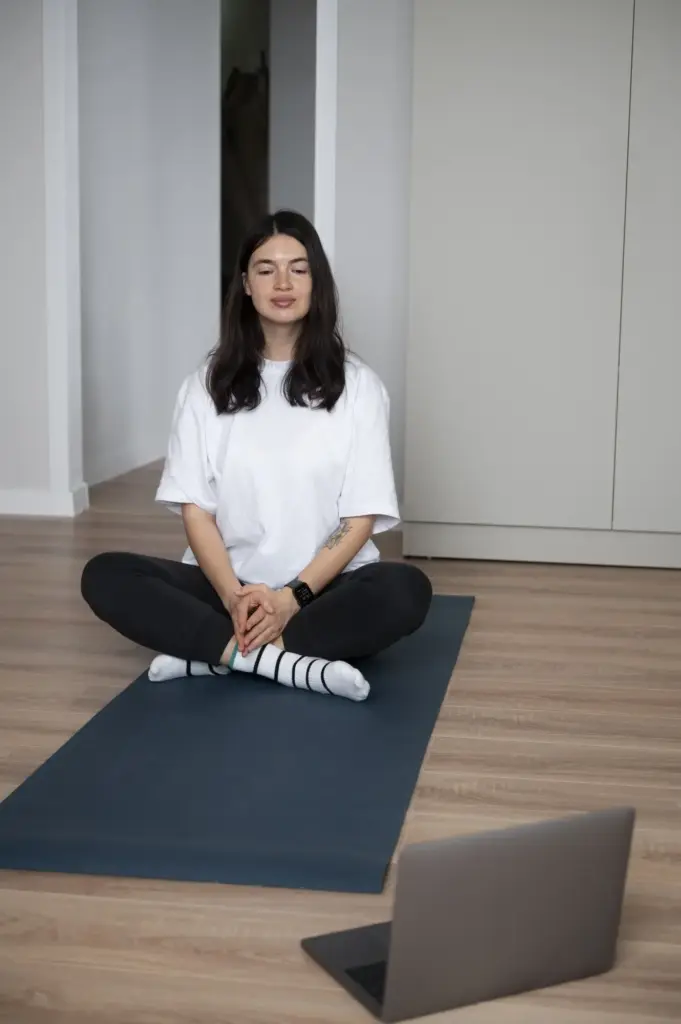

Build Consistent Habits Without Willpower Battles
Stack microbreaks onto existing routines so they occur almost automatically. Tie a shoulder roll to every send, a sigh to every meeting join, and a hip shift to refilling water. Track streaks playfully, invite coworkers to join, and celebrate small wins. The reward is a body that supports bright, sustainable work.
All Rights Reserved.